Mentioning breeze blocks likely makes many people think of the small ventilation openings in kitchens, bathrooms, or balconies of older house designs. Over time and with technological advancements, bringing in airflow no longer required those old cement blocks, and breeze blocks gradually became less common.
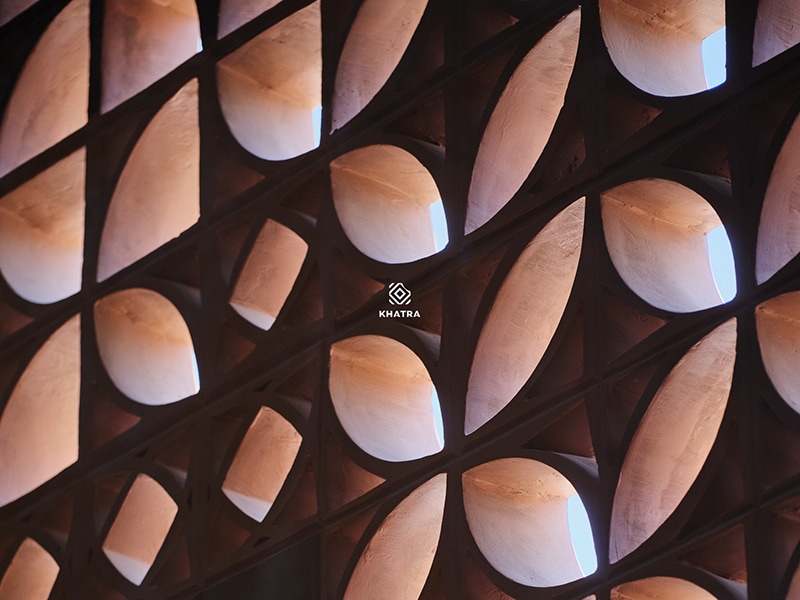
Ventilation blocks providing light for toilet
Today, with the resurgence of nostalgic interior design trends such as Retro, Vintage, Indochine, etc., this classic pattern block is regaining its prominence, becoming a unique decorative tile with an upgraded appearance that carries both vintage charm and modern appeal.
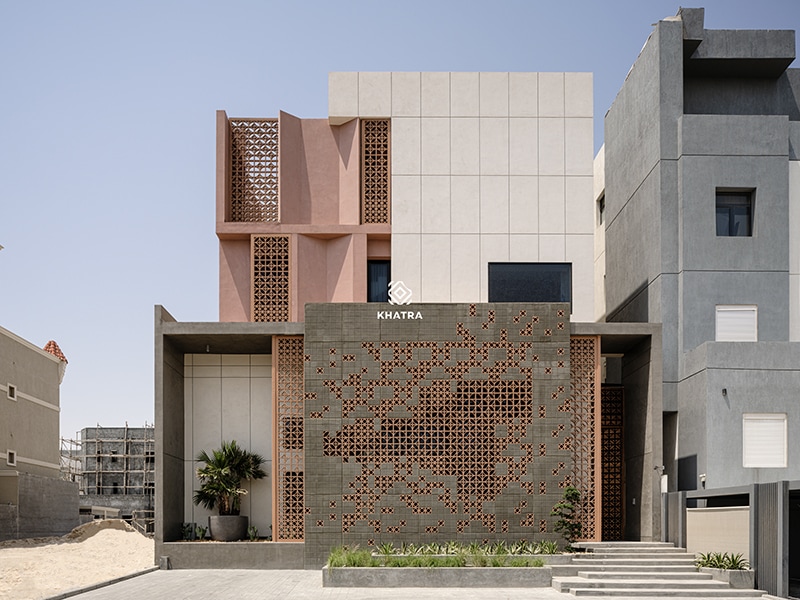
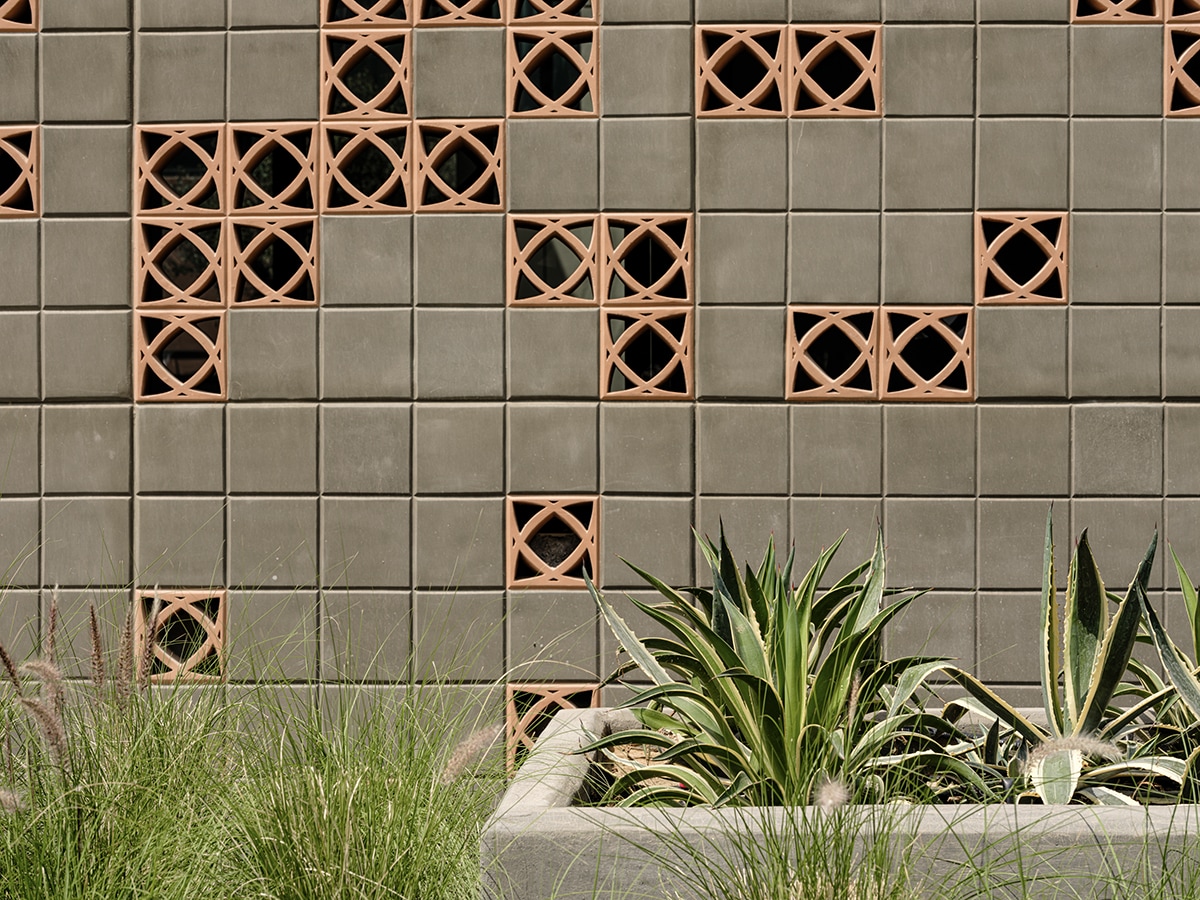
Breeze block facade wall
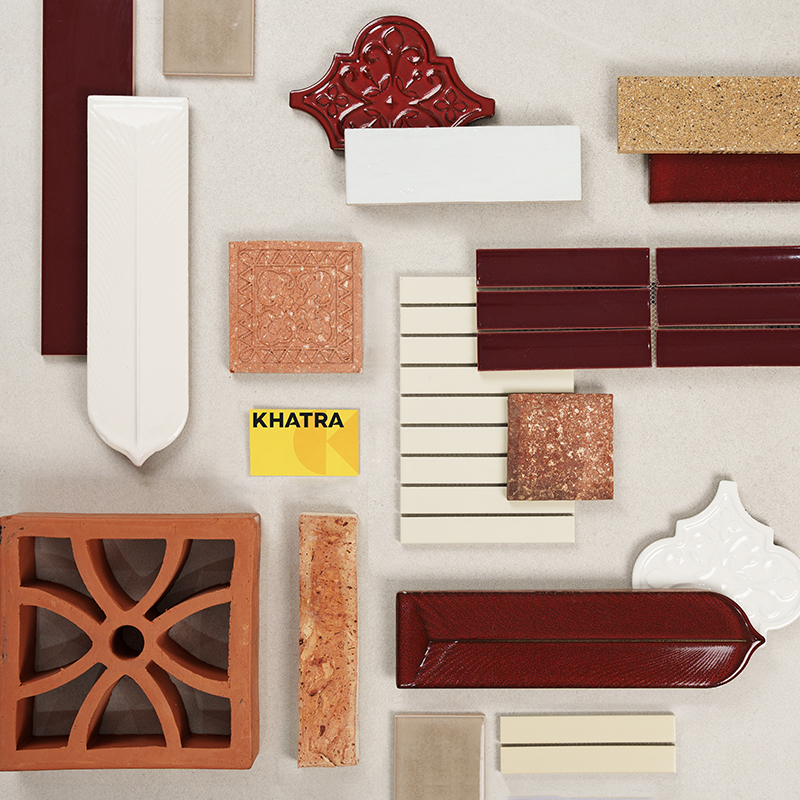
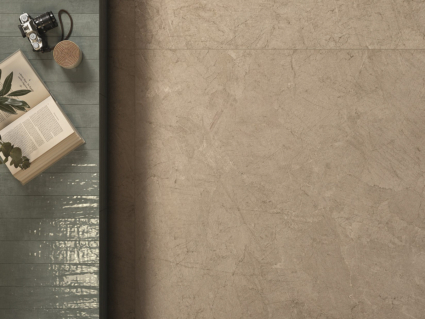
Flatlay vintage tile combination – breeze blocks and subway tiles
1. What are Breeze Blocks?
Patterned breeze blocks, also known as ventilation blocks, are square cement blocks with hollow decorative patterns, whose primary purposes are: bringing in natural light, allowing ventilation, and blocking rain.
These vintage blocks were traditionally made entirely by hand, so they often had certain imperfections and were relatively inexpensive.
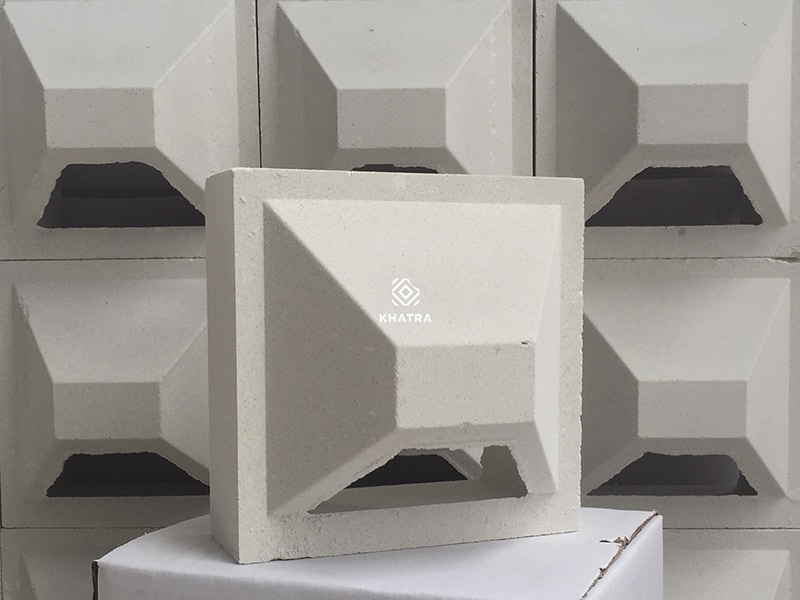
Cement ventilation blocks
Today, ventilation blocks are mass-produced using modern hydraulic pressing technology, resulting in superior finish quality and a wide variety of patterns to satisfy aesthetic needs for diverse projects from residential to commercial spaces.
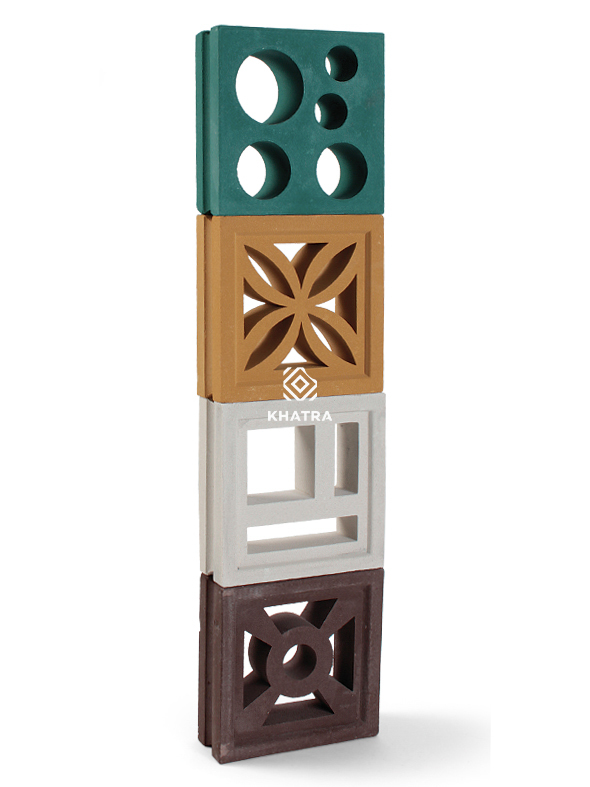
Colors of ventilation blocks
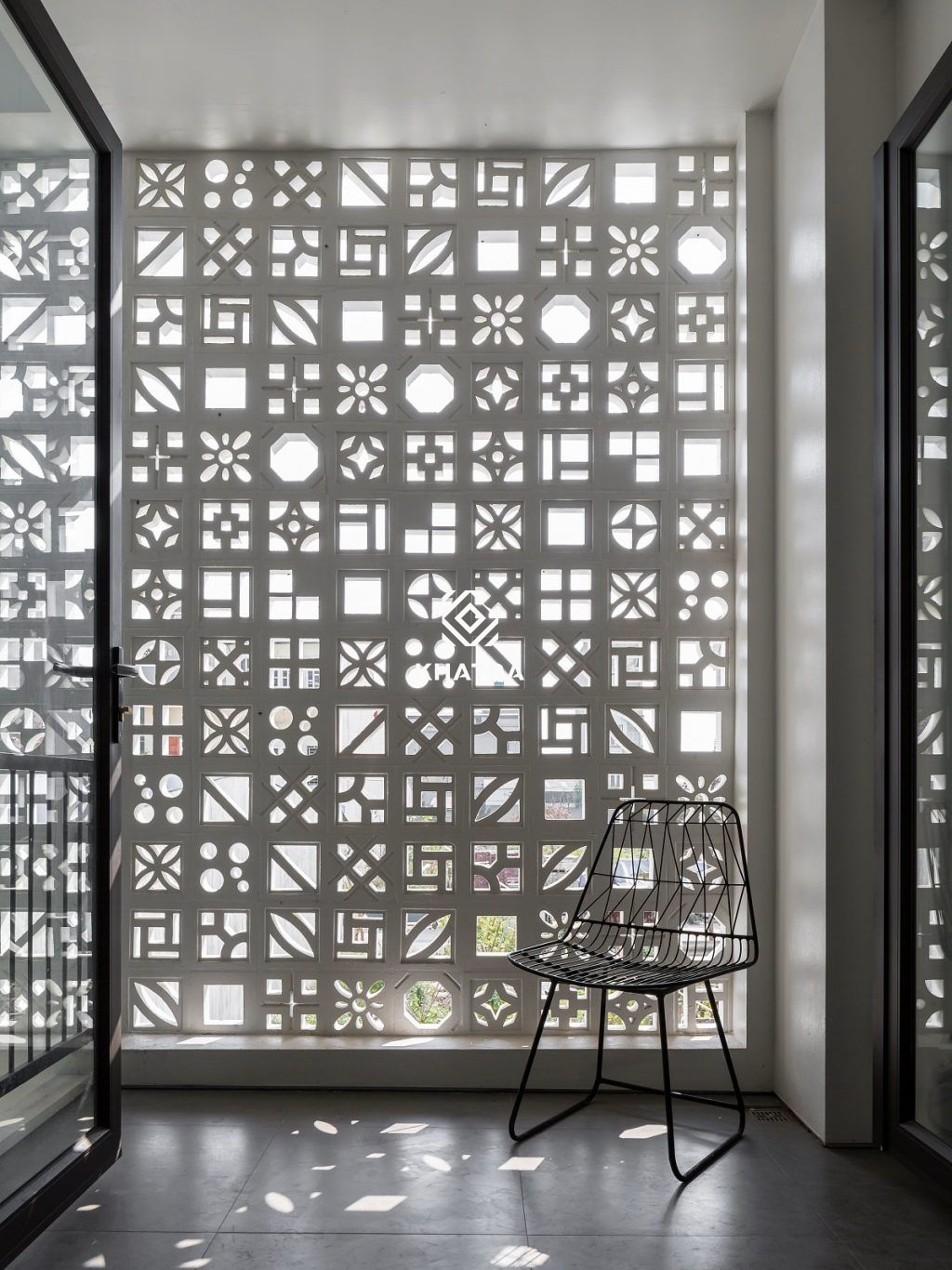
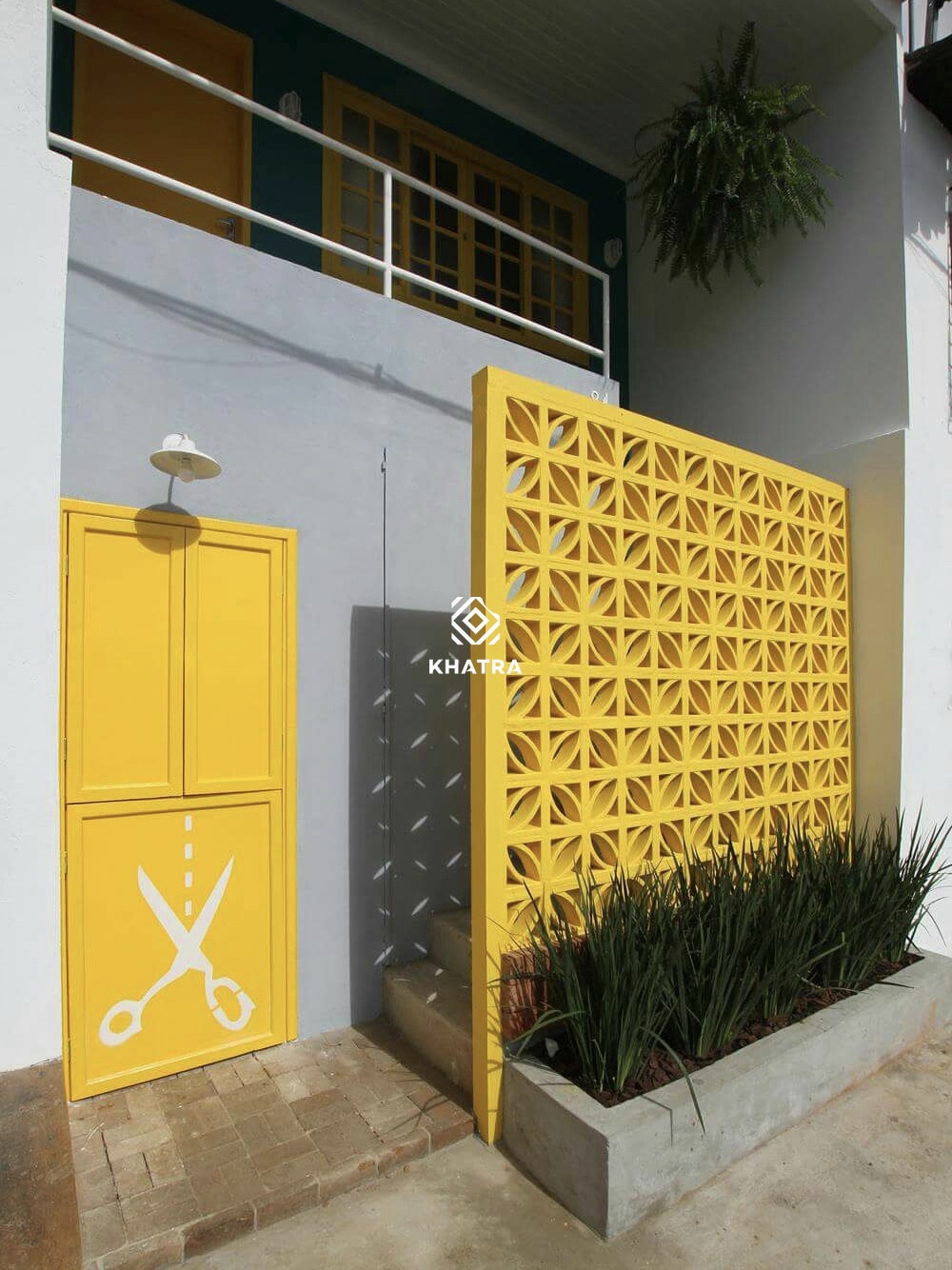
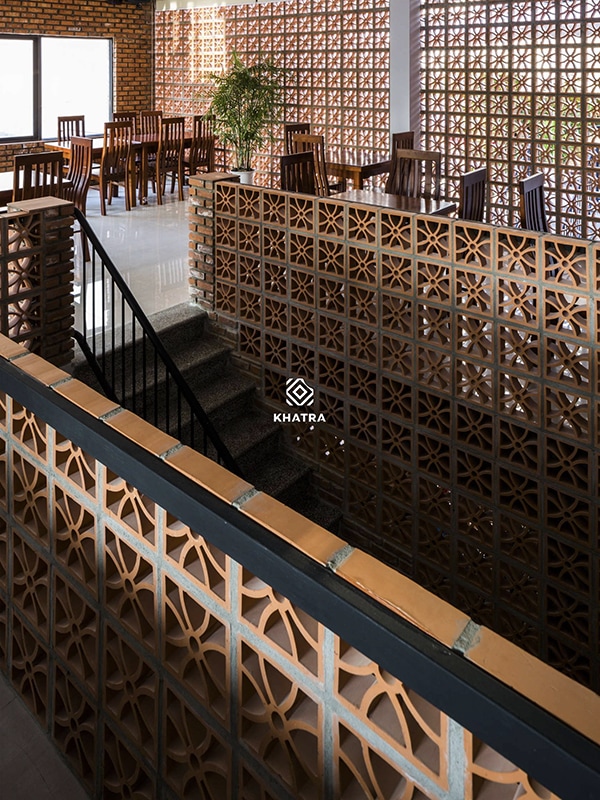
1.1. Breeze Block Dimensions
The dimensions of ventilation blocks are typically chosen depending on the spatial area and the architect’s intent. Currently, this tile line is manufactured in two popular sizes.
- Ventilation blocks 200×200: In practice, this type usually has edge dimensions around 190mm (190x190x65mm), with each block weighing about 2.7 – 3.6kg, averaging 25 pieces/sqm.
- Breeze blocks 300×300: Similarly, these blocks have dimensions around 290mm (290x290x90mm), weighing about 7.62 – 11kg each, averaging 11 pieces/sqm.
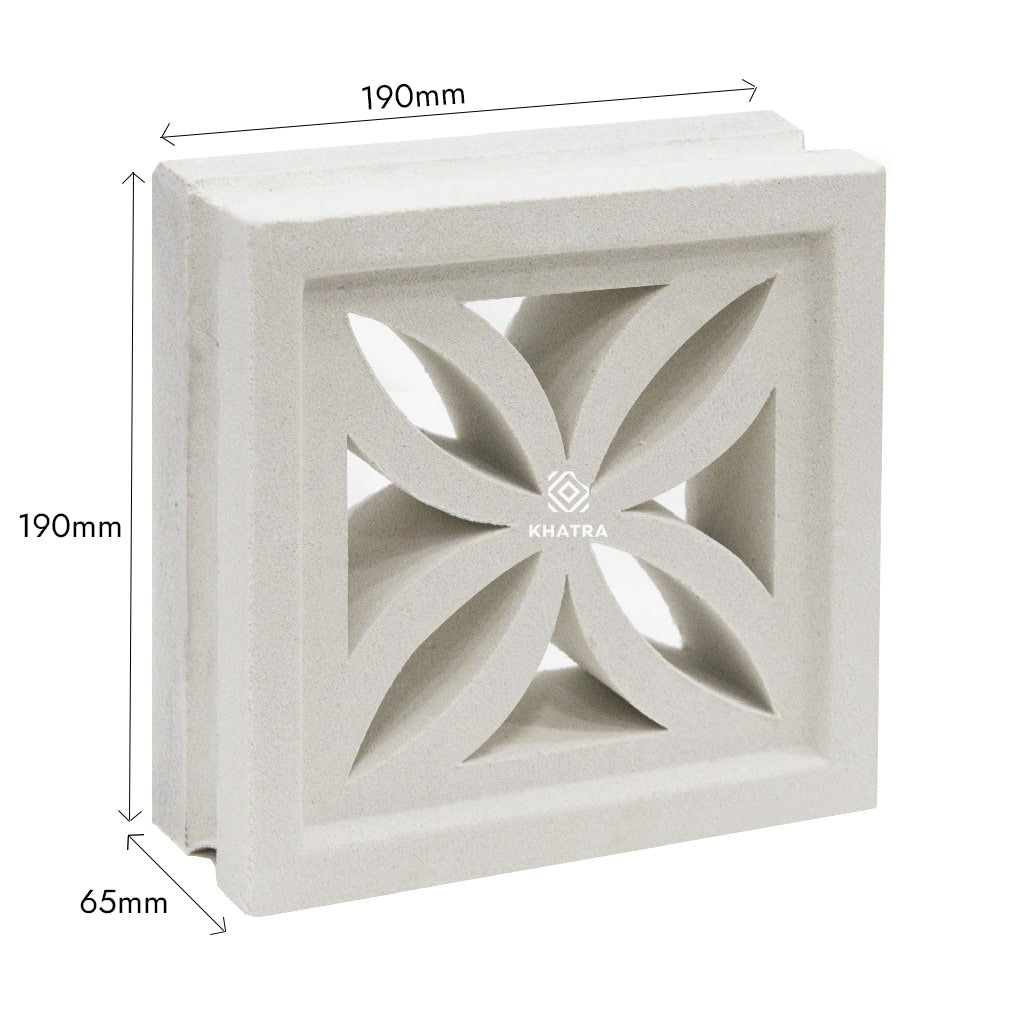
Dimensions of ventilation blocks
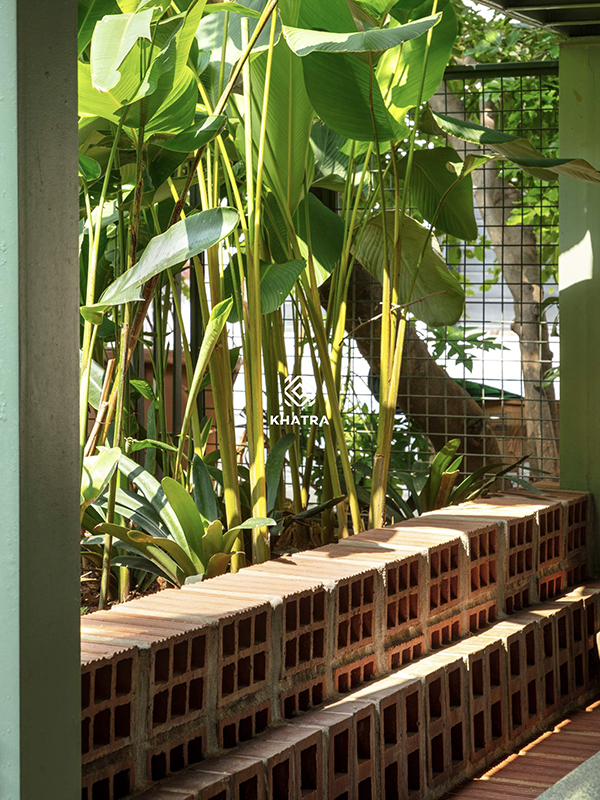
Red breeze blocks used for fencing
1.2. Classification of Breeze Blocks
Classification of ventilation blocks is typically based on material and style.
- Based on material, ventilation blocks are divided into 2 main types: cement ventilation blocks and terracotta ventilation blocks.
- Based on design, breeze blocks are also categorized into 2 main types: louver (banh u) breeze blocks and decorative breeze blocks.
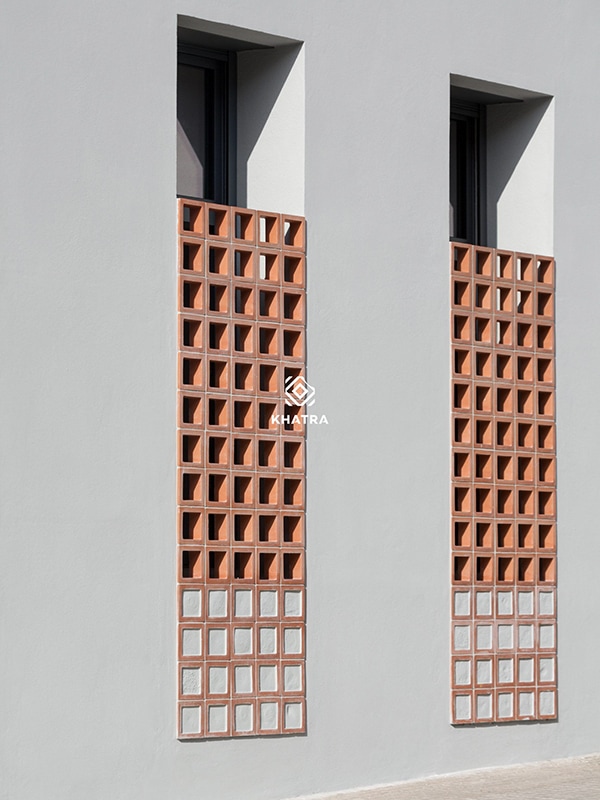
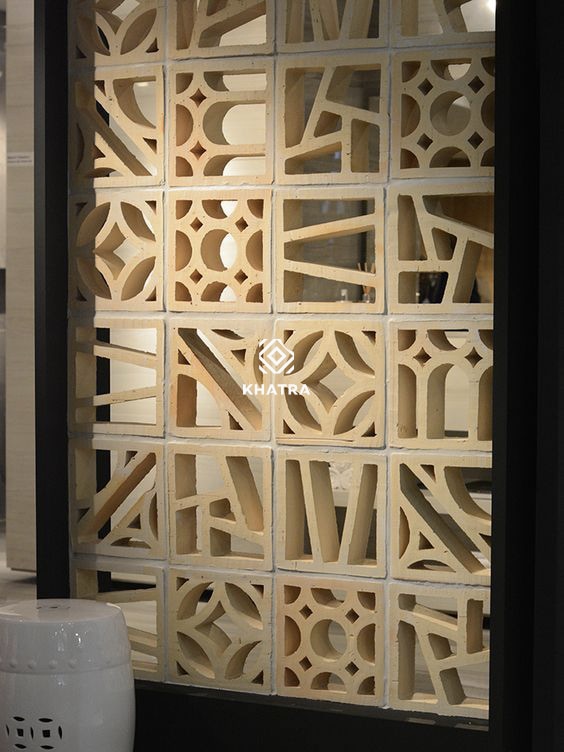
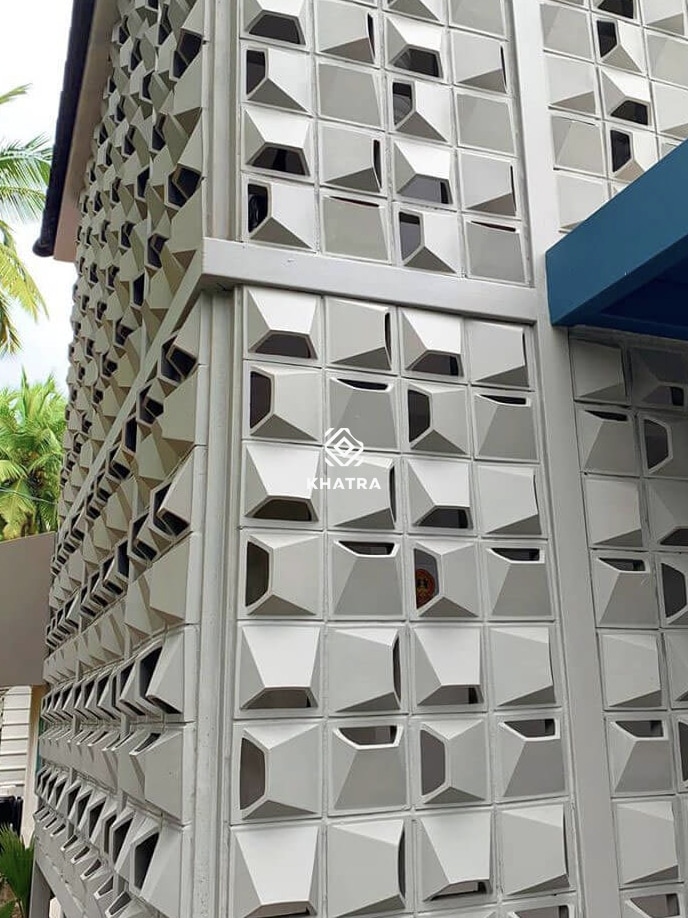
2. Popular Breeze Block Designs Today
2.1. Cement Breeze Block Models
Cement breeze blocks generally offer high durability and excellent load-bearing capacity, resulting in less breakage during transport and installation. Thanks to hydraulic press production technology, modern cement daylighting blocks also feature greater design variety and tighter dimensional tolerances…
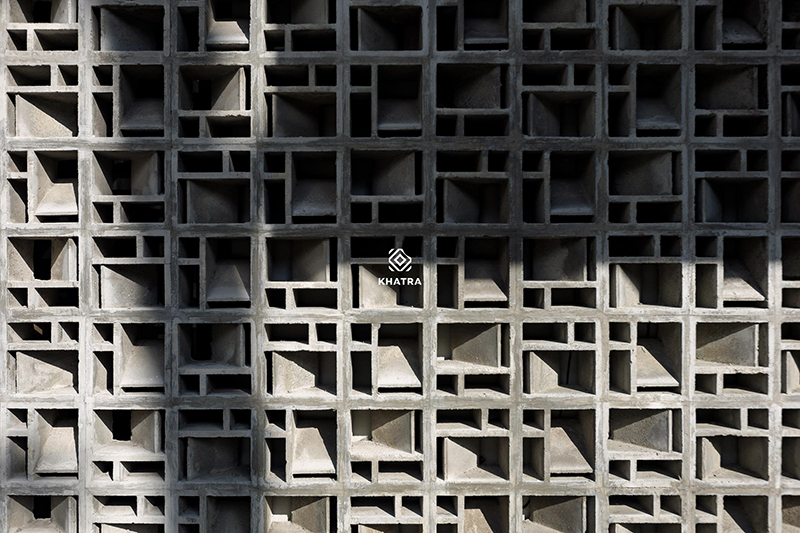
Cement breeze block wall cladding
This block type is mostly available in two primary colors: cement gray and white; in addition, customers can also place custom color orders.
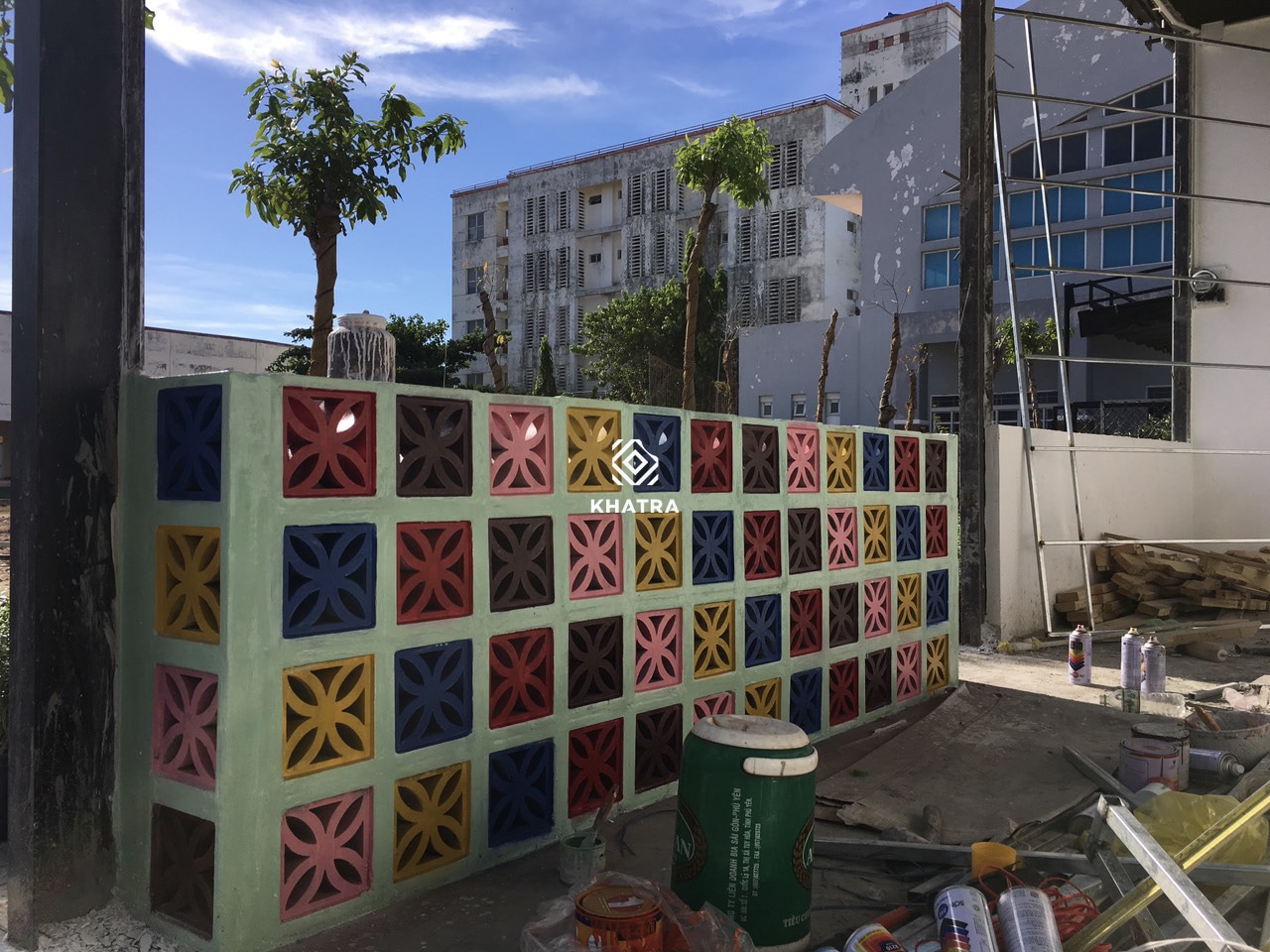
Multi-colored cement ventilation blocks for facade
A selection of cement ventilation block patterns available as samples at the KHATRA showroom
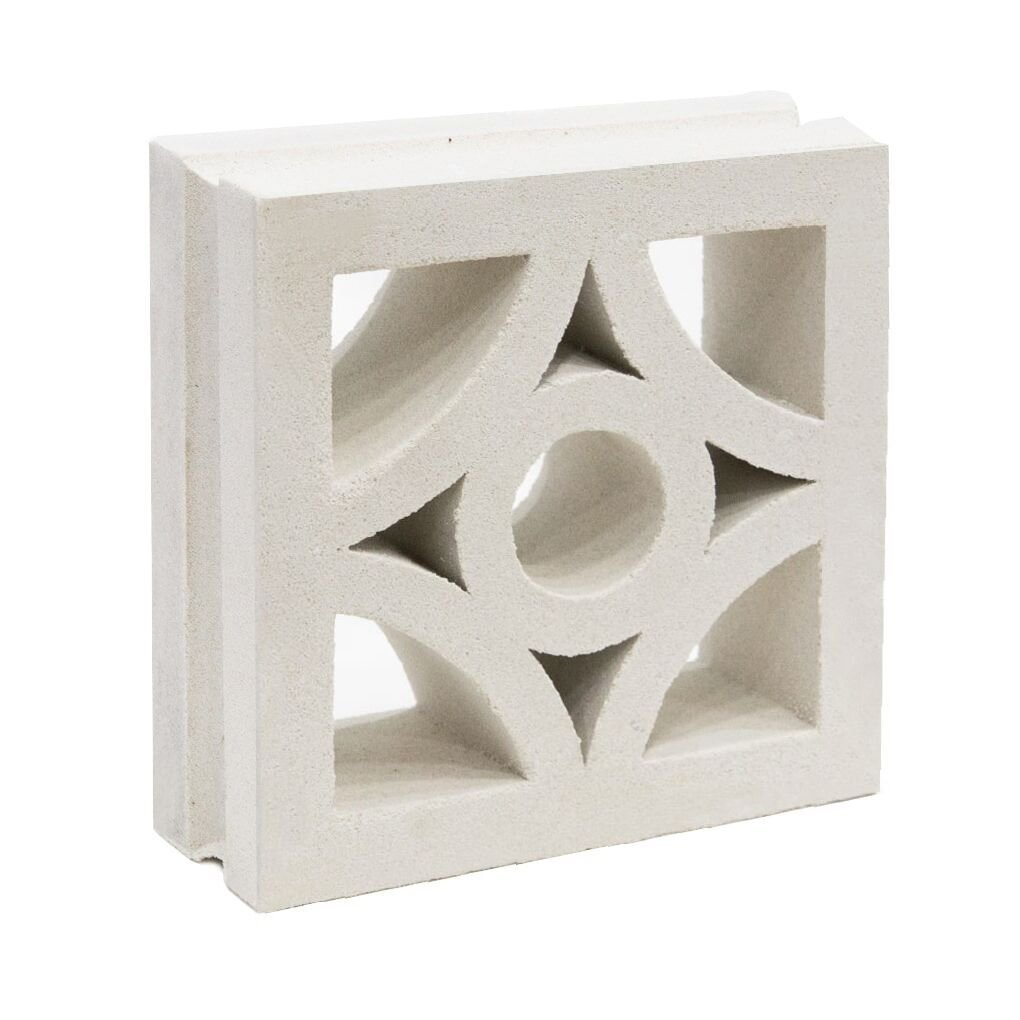
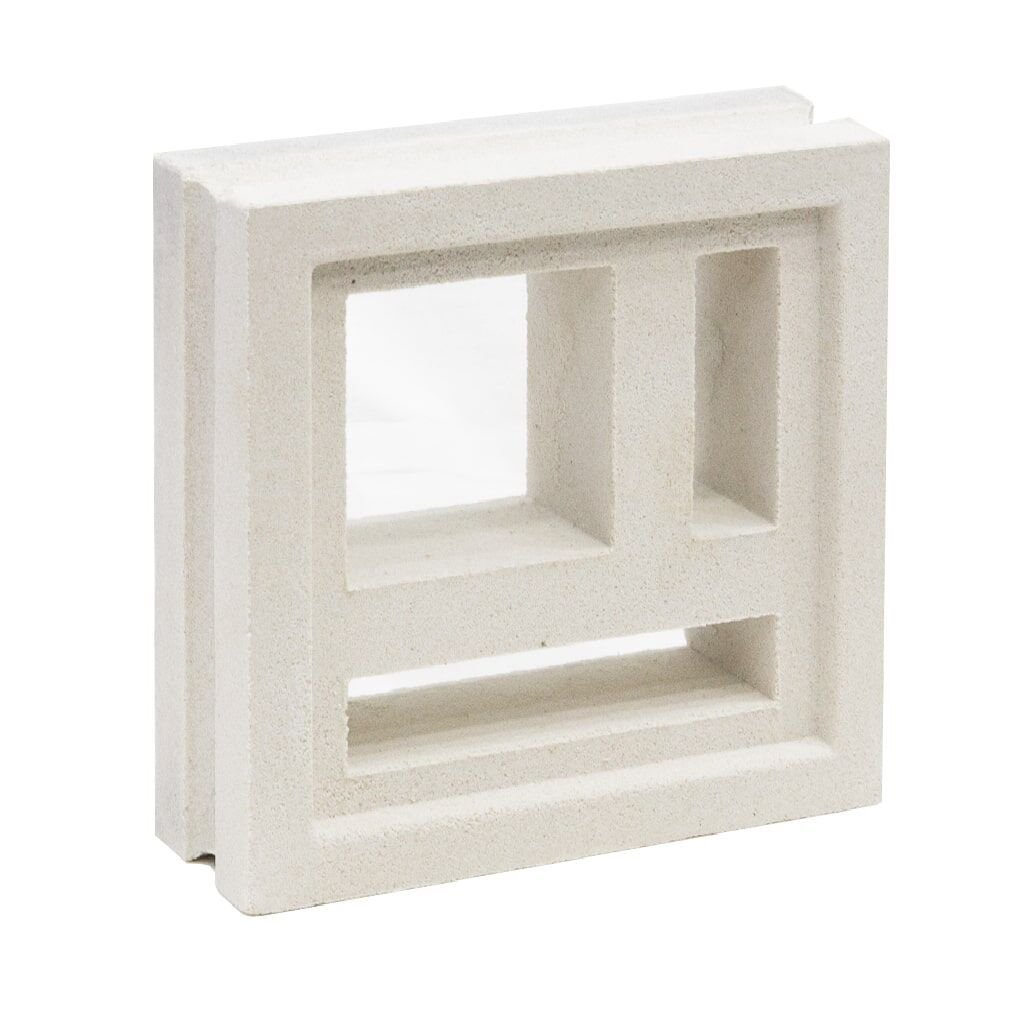
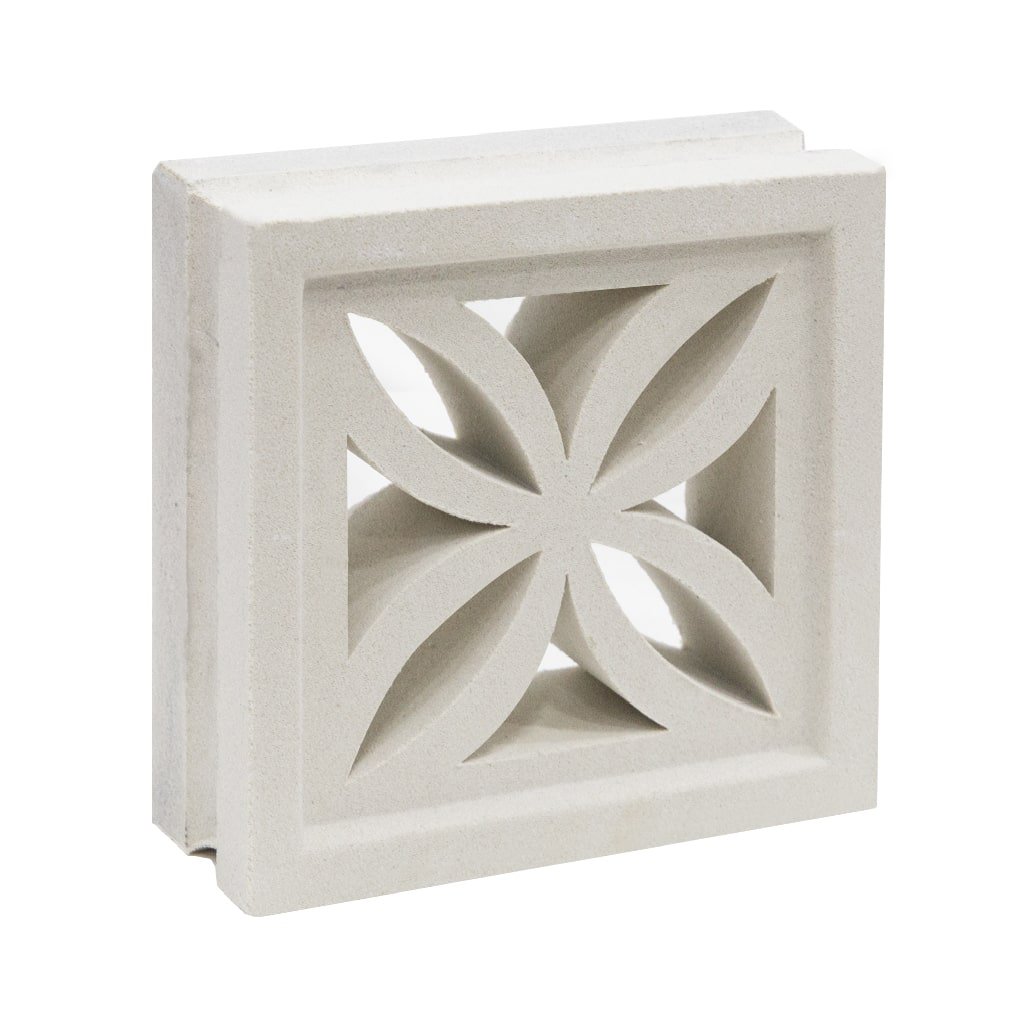
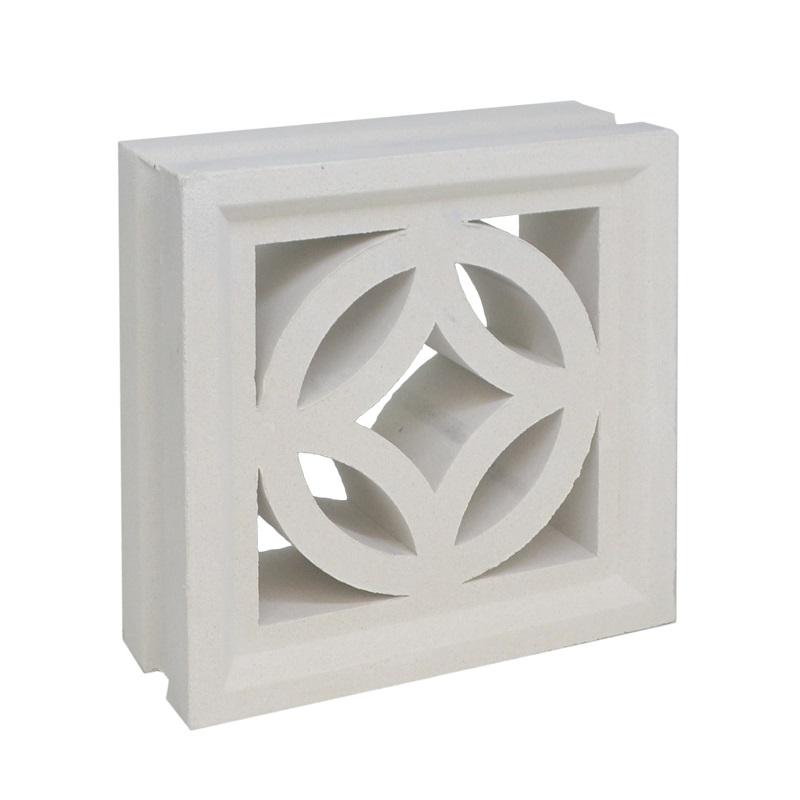
Real project photos of clients using cement breeze blocks

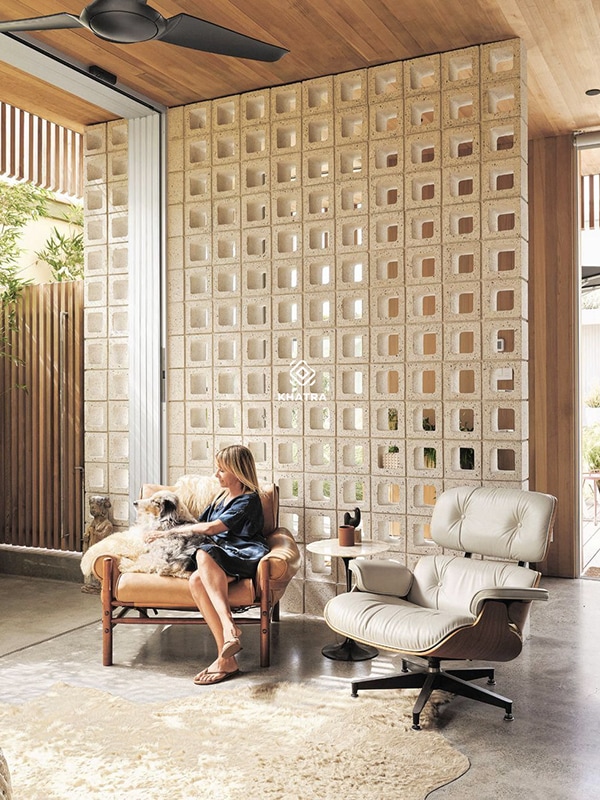
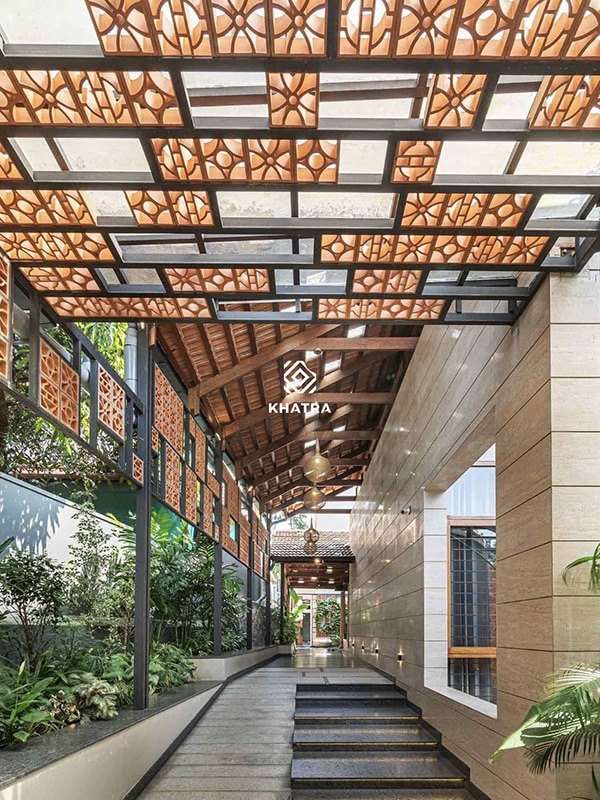
2.2. Terracotta Breeze Block Models
Similar to cement breeze blocks, terracotta blocks have also been upgraded with more patterns and diverse sizes. However, in terms of strength, terracotta ventilation blocks are typically softer and more prone to breakage, and cannot be custom color-coated like cement blocks; yet, in return, this block line exudes a classic beauty that no other tile can replace.
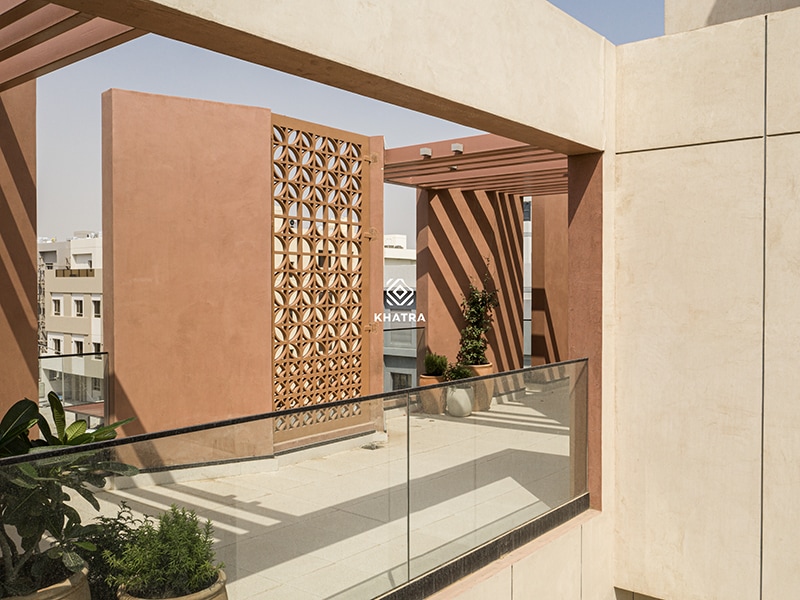
Terracotta ventilation blocks used as light-admitting wall

See more popular terracotta tile models (tunnel brick/tile) today here.
3. Breeze Block Price List
Khatra provides you with an estimated price range for breeze block models, updated for 2025.
| Block Type | Gray cement block | White cement block | Terracotta breeze block | Ceramic ventilation block | Louver breeze block |
| Unit Price (VND/piece) | 18,000 – 24,000 | 22,000 – 28,000 | 17,000 – 20,000 | 35,000 – 42,000 | 18,500 – 25,000 |
4. Popular Applications of Breeze Blocks
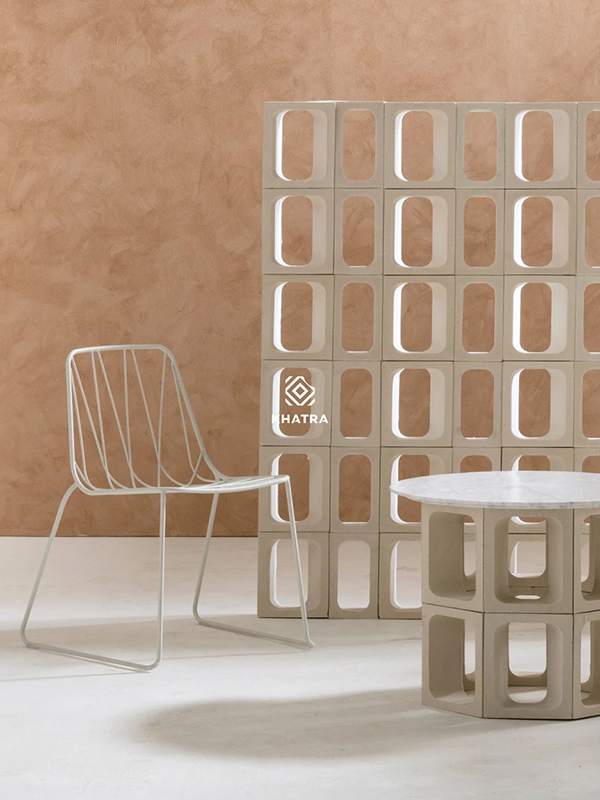
Beyond basic applications such as daylighting, ventilation, and rain shielding, modern breeze blocks are also widely applied in interior design: facades, partitions, table bases, decorative cladding for bars, etc., helping to create an imaginative, distinctive space that feels both “familiar yet fresh”.

Red breeze blocks facade cladding
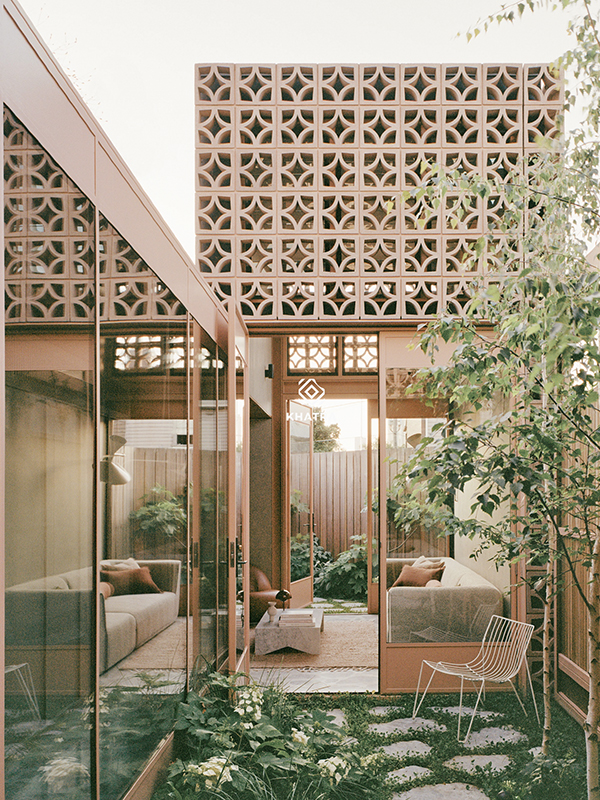
Ventilation blocks for facade paired with grass pavers for courtyard
4.1. Daylighting Ventilation Blocks
True to their name, breeze blocks are primarily used to promote airflow in living spaces. In addition, the open cutouts allow natural sunlight to filter through without causing glare in overly bright environments, while providing sufficient illumination for darker rooms or townhouse layouts. You can use them on their own or combine them with glass blocks to craft a distinctive touch.
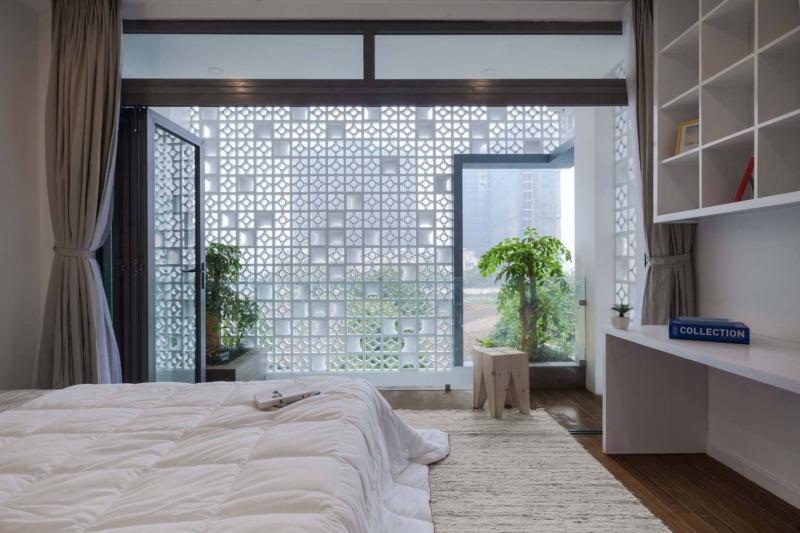
Breeze block wall cladding for daylighting
4.2. Decorative Facade Breeze Blocks
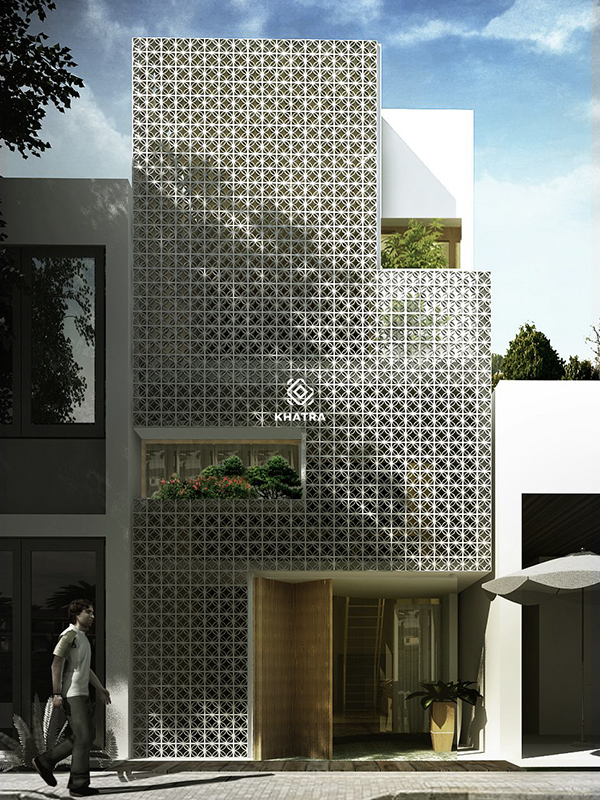
Especially popular for west-facing houses. To mitigate direct, intense sunlight, architects often opt for breeze blocks across the entire facade, cloaking a four-story townhouse as if with a protective screen that repels the sun’s harsh rays while inviting in fresh breezes and natural daylight.
Facade ventilation wall blocks
Red facade breeze blocks
4.3. Decorative Wall Fences
Using ventilation blocks for boundary fencing is a time-honored application, creating a more open and airy feel for homes with small courtyards while enhancing natural lighting and ventilation.
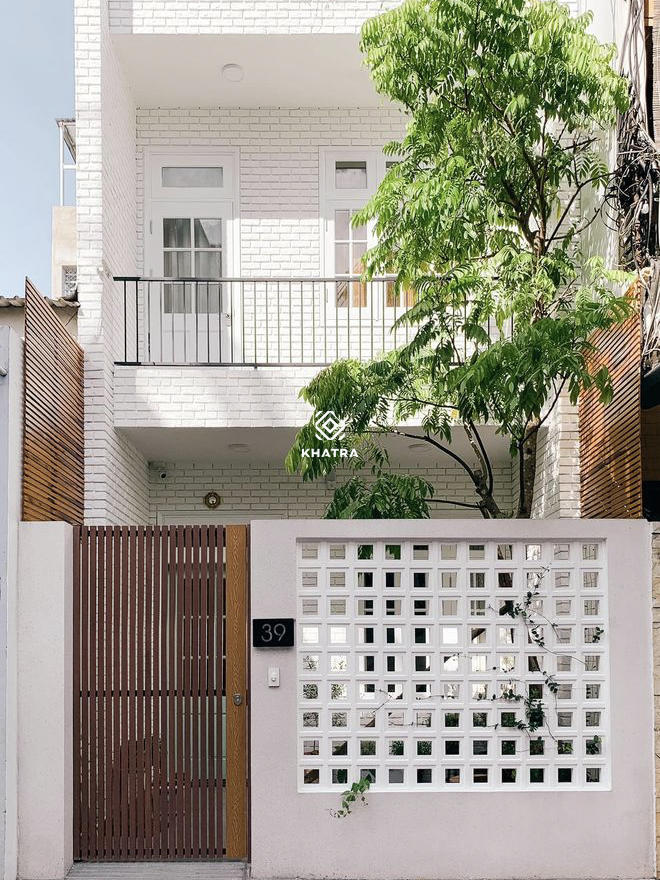
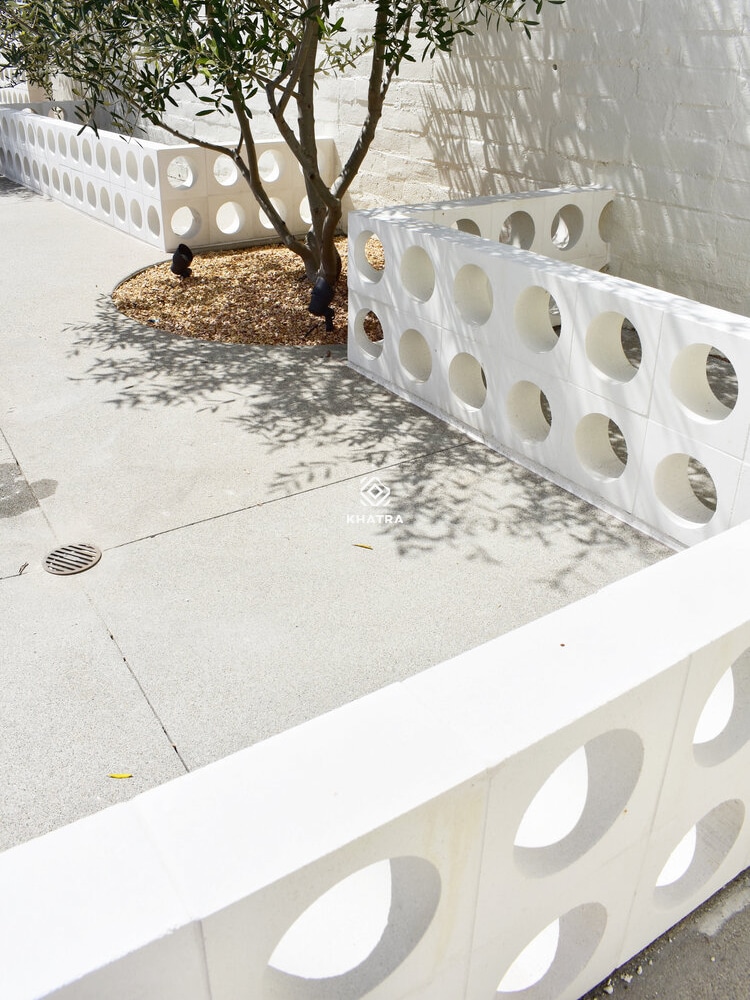
4.4. Room Divider Partitions
While partition screens were previously made mainly of wood or CNC-cut iron, breeze block partitions have recently become increasingly prevalent. They are simple to build and can easily combine with other materials to create a unique space reflecting the homeowner’s distinct personality.
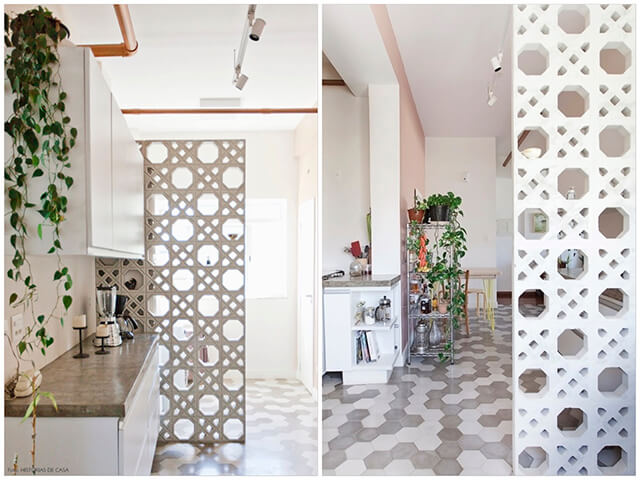
Breeze block partition wall
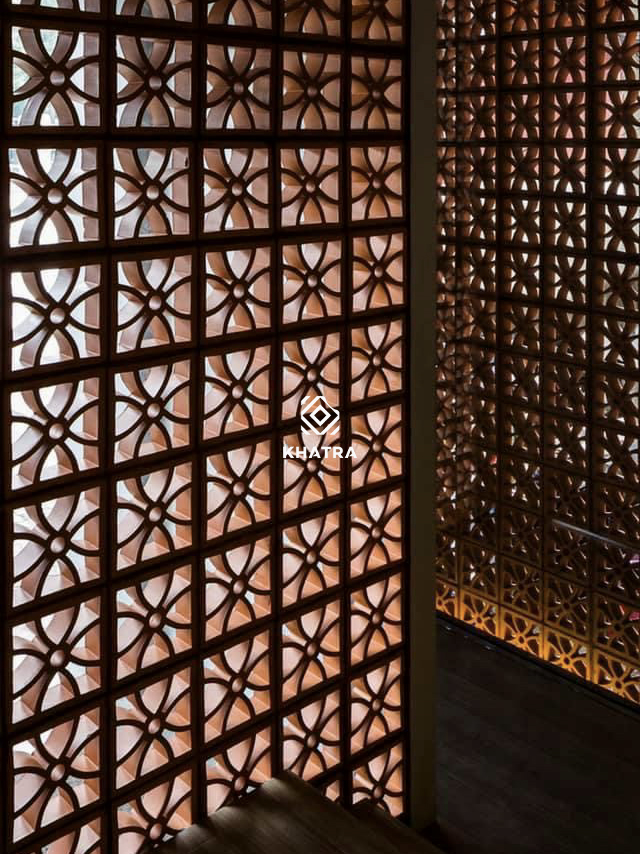
Real-world use of Tu Diep breeze blocks for daylighting wall
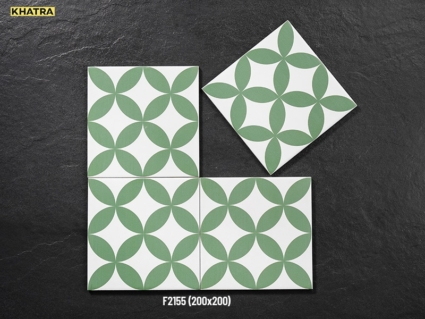
Besides breeze blocks, Khatra also supplies high-waterproof porcelain encaustic tiles, offering a complete range of designs from monochrome to multi-pattern mixes suitable for all flooring needs: homes, stores, cafes, restaurants, homestays, and more.